India se le kr pakistan tk ek dain ki kahani by Oyena Baqir

The narrative begins with Chandar Lal, a man who enters into a dark, supernatural contract with a Yakshini to gain immense wealth, sacrificing his social connections and family life in the process. This pact leads to a cycle of misery and isolation that eventually consumes his descendants. Years later, the haunting legacy manifests in the life of Rahil, who inherits the family haveli in Kolkata. Rahil finds himself surrounded by inexplicable deaths, including those of his uncle and aunt, and is terrorized by a spectral old woman who appears to be a manifestation of a long-standing curse. As the supernatural activity intensifies, with blood appearing on the walls and the presence of a malevolent entity becoming undeniable, Rahil seeks help from various sources. His journey takes him from the confines of his ancestral home to the village headman, and eventually to a religious scholar named Qari Rashid. The investigation into the family's history reveals a dark secret involving his great-grandfather, who had imprisoned a Muslim family during the wars of the past. This historical injustice serves as the root of the haunting that has plagued the lineage. Seeking a permanent solution, Rahil travels to Karachi to meet Peer Habib-ul-Islam, a spiritual guide. Under the Peer's direction, the haveli is excavated, leading to the discovery of human remains buried beneath the veranda. This act of uncovering the truth and seeking spiritual intervention marks a turning point in Rahil's life. The story culminates in a profound transformation for the protagonist, as he witnesses the power of faith and ultimately chooses to embrace Islam, finding a path to break the cycle of terror that had haunted his family for generations. The novel effectively blends elements of horror, mystery, and spiritual redemption, tracing the impact of past actions across borders.
Read moreIk umar ki dastan by Shayara sehar Complete Novel

The narrative of Ik umar ki dastan centers on the life of Usman Rasool Basri, a man whose influence in his village was matched only by his reputation as a knowledgeable and experienced businessman. The story begins in a modest, rural setting where he assumes family responsibilities at a young age, following a traditional path that includes an early engagement. As the years progress, he transitions through various roles—son, brother, husband, father, and eventually grandfather—building a life within a home that grows from a simple structure into a place filled with family. Central to his journey is the duality of his character; while he is a figure of authority who commands respect and fear, he remains deeply connected to his family. The manuscript details his internal and external struggles, particularly after a life-altering accident leaves him physically disabled. Despite his loss of mobility, he maintains a strong presence within his household. The narrative highlights his deep bond with his grandchildren, who provide him with affection that contrasts with the intimidation he inspires in others. As he ages, the story shifts toward his spiritual reflection. Following the death of his wife, who served as his primary support and companion, he spends fifteen years seeking repentance for past mistakes. His physical health deteriorates significantly, leading to a period of intense suffering. The final chapters document his last days, surrounded by his children and granddaughters, as he passes away on a Friday. The memoir concludes with his granddaughter, Sahar, documenting these memories as a tribute to his life, reflecting on his legacy and his final moments before departing from this world in October 2026.
Read moreRaaz by Rashk E Hina Complete Novel
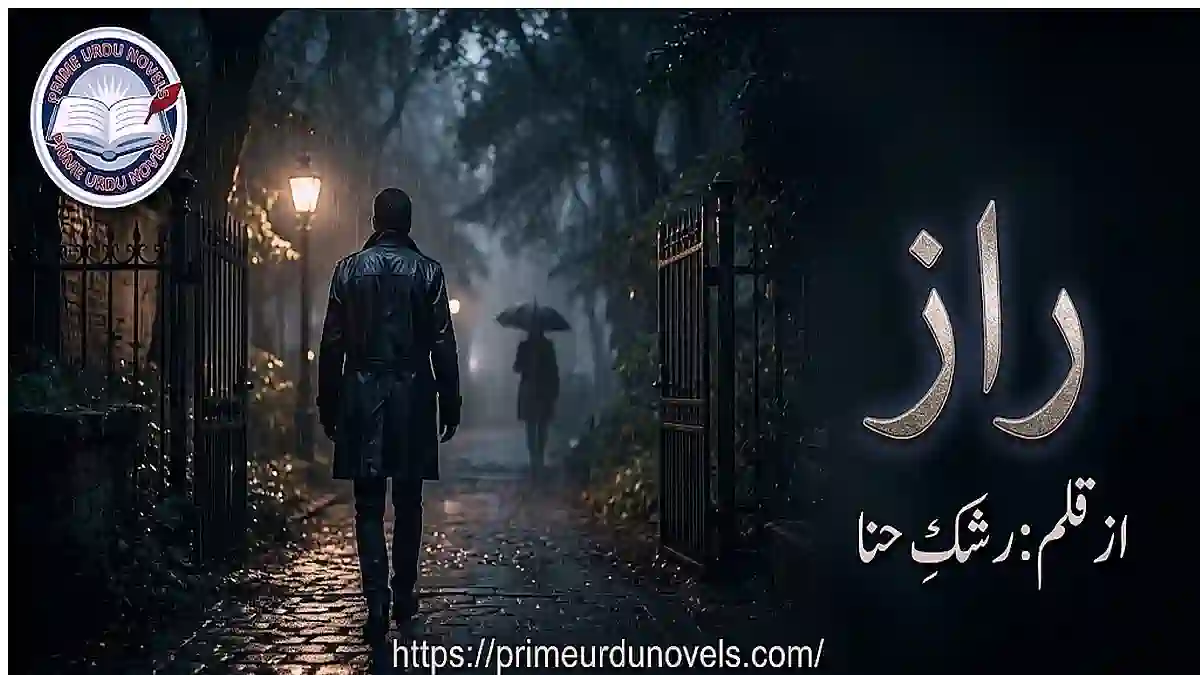
The narrative begins in the scenic Swat valley, where Anzish Ahmed, a talented artist, finds herself drawn to the enigmatic tribal leader, Sardar Zaran Khan. Her obsession with capturing his likeness on canvas mirrors a deeper, hidden connection to the powerful figures residing in the local Haveli. As the tribal Jirga makes harsh decisions regarding exile and succession, the lives of Anzish and her sister, Pulwasha, are upended by the revelation of their true parentage. Their mother, Zartasha, faces immense hardship, eventually leading to a tragic separation that leaves the sisters to navigate a world that has long denied them their rightful place. Zaran Khan, caught between his duty as a Sardar and his personal moral compass, emerges as a pivotal figure. Despite the influence of his grandfather, Jalal Khan, and the weight of his father Shamshir Khan’s legacy, Zaran chooses to protect the vulnerable. He takes responsibility for a young girl named Nazneen, shielding her from the harsh realities of their environment. As the truth about the sisters' identity comes to light, Zaran confronts the elders of the Haveli, challenging the systemic injustices that have plagued their family for generations. His intervention shifts the balance of power, ensuring that the inheritance and dignity of the women are finally recognized. The story culminates in a transformative shift for the tribe. Zaran and Inzish unite, establishing a new order that prioritizes justice and equality. By forming a Women’s Justice Council, they dismantle the oppressive traditions that once silenced the voices of women like Inzish and Pulwasha. Jalal Khan’s eventual public acknowledgment of his daughters serves as a final act of reconciliation, closing the chapter on years of secrecy and pain. The novel concludes with a sense of peace in the valley, as the characters move forward, leaving behind the shadows of the past to embrace a future built on truth and mutual respect.
Read moreAzeel by Mahi Shah Complete Novel

The story of Azeel novel by Mahi Shah revolves around Roshni, a young woman whose life is unknowingly watched over by Azeel, a Jinn who has resided in her home for fifteen years. When Roshni’s marriage to Kian is finalized, Azeel’s long-standing obsession manifests into a dangerous scheme; he traps Kian and assumes his identity to marry her himself. The narrative raises critical questions about whether Roshni will ever uncover this supernatural deception and if Kian can escape his ethereal prison. Parallel to this, the lives of Fajar and Daim are defined by vengeance and misunderstanding. Daim orchestrates a marriage to Fajar with the sole intent of breaking her pride, unaware that the mysterious person he has fallen in love with over anonymous phone calls is, in fact, Fajar herself. The emotional stakes are further heightened by the tragic arc of Mehar and Zain. After Zain abandoned Mehar following a disfiguring accident, he is now consumed by remorse, while Mehar, deeply wounded, demands a divorce. The story also incorporates a high-stakes military operation led by Major Momal, adding a layer of suspense where danger lurks at every turn. Through these interconnected lives, the novel examines the complexities of human connection, the weight of past mistakes, and the struggle to find redemption amidst betrayal and supernatural interference.
Read moreAnfal by Aleesha Tanveer complete novel
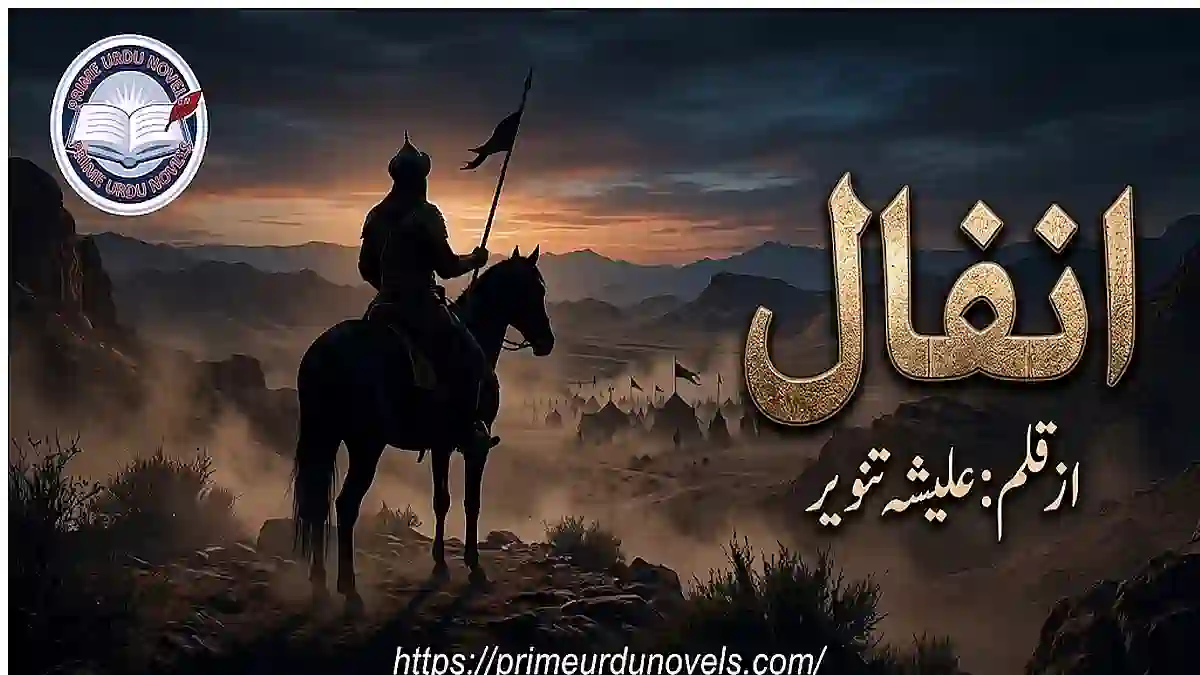
"Anfal" by Aleesha Tanveer is an emotional Urdu novel revolving around a quiet, strong-willed young woman named Anfal. The title translates to a divine gift received after enduring a severe trial. The narrative highlights female empowerment, boundaries, and the struggle to protect one's heart from forbidden attachments. Anfal is a university student with a passion for writing, striving to establish her identity while remaining within modest boundaries. She is supported by her lively cousin and best friend, Fatima. In contrast, Anfal's mother, Amaan Begum, represents women who buried their dreams. Once a brilliant English literature student, she silently accepted an arranged marriage to a strict man, masking her unfulfilled aspirations with grace. The plot takes a turn when Anfal accidentally bumps into a handsome, subtly arrogant young man at the university. True to her nature, she gathers her belongings and walks away without looking at his face, leaving the boy captivated. Unknowingly, she leaves behind her precious personal diary. Later at home, the realization of her missing diary breaks Anfal's calm exterior, leading to an emotional breakdown. The episode concludes with a profound message from her mother about the dangers of hiding one's pain.
Read moreAaghosh e akhuwat Season 2 by Hajra Batool
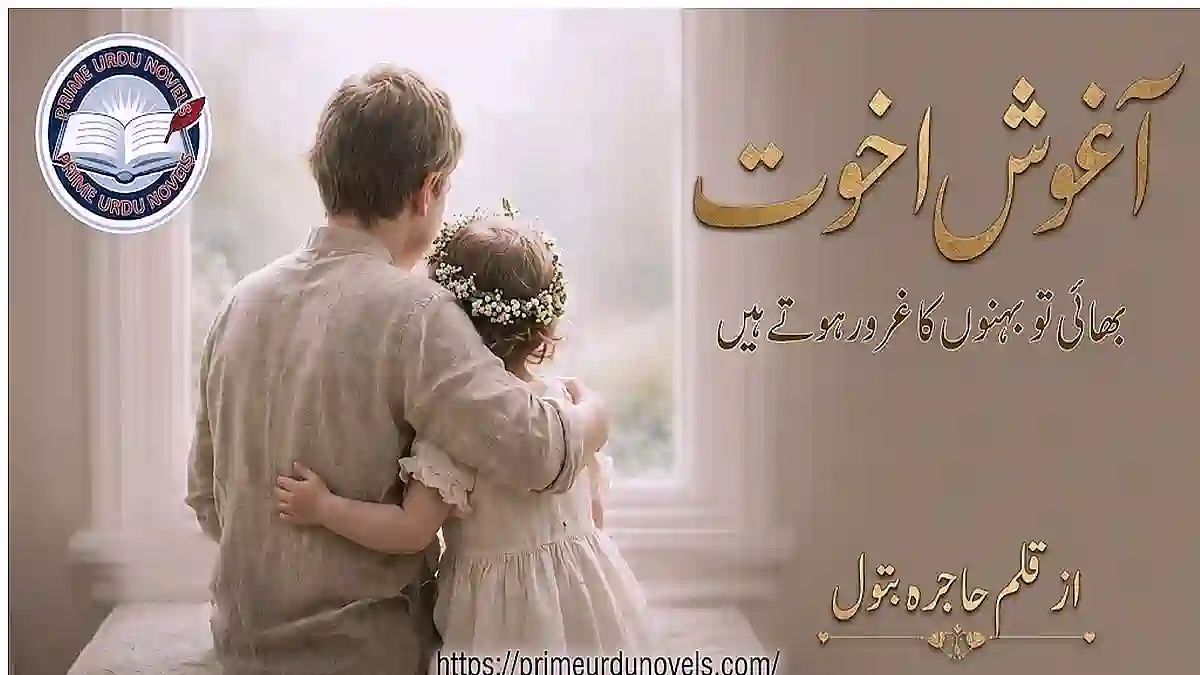
The story follows the lives of Ahmed and his sister Tara, who are haunted by the mysterious death of their parents. Ahmed, convinced that the powerful Yusuf Ali Khan is responsible for their father's murder, seeks retribution alongside his friends, Haris, Ali, and Ahmer. The group’s attempt to leverage Yusuf by kidnapping his daughter, Nimra, leads to unforeseen consequences and internal conflict. As the narrative unfolds, the lines between the captors and the victims become increasingly blurred, especially as Ahmer—who is Yusuf’s son—finds himself caught between his loyalty to his friends and his own family identity. Nimra’s eventual release and return home do not bring the expected peace. Instead, she discovers that her father, Yusuf, has been concealing the truth about the kidnapping and his interactions with the police. Meanwhile, Tara and Ahmed continue to navigate their own trauma, with Tara finding herself in a precarious position as she interacts with Ahmer. The group of friends, once united by a singular goal, now faces the reality of their actions and the moral weight of their choices. As they gather at a cafeteria to process the unfolding events, the realization dawns that the game they initiated has spiraled beyond their control. With Yusuf’s true motives remaining shrouded in mystery and the threat of further violence looming, the characters must decide how far they are willing to go to uncover the truth about their pasts. The manuscript highlights the psychological toll of vengeance and the fragile nature of relationships when built upon secrets and hidden agendas.
Read moreArticle book by Raz e qalam Complete book

Article Book by Raz e Qalam presents a series of insightful essays that address various facets of contemporary life. The author emphasizes the necessity of balancing digital engagement with real-world responsibilities, advocating for a disciplined approach to social media usage. A significant portion of the text is dedicated to the upbringing of girls, discussing the societal pressures they face from childhood through to adulthood. The author highlights the importance of self-defense, education, and the cultivation of self-worth, asserting that a woman's value is not defined by the attention or approval of others. Beyond social commentary, the manuscript touches upon the author's personal experiences, including reflections on health struggles and the profound impact of parental support. The relationship between a father and daughter is portrayed as an invaluable source of strength. The text also includes a narrative segment regarding a student's journey through academic pressure, detailing her anxiety while awaiting 10th-grade results and her eventual success. This serves as a backdrop for broader lessons on patience, prayer, and the importance of gratitude toward those who support one's endeavors. Ultimately, the work functions as a moral compass, urging readers to reflect on their own lives and choices. By sharing personal anecdotes alongside philosophical advice, the author encourages a life rooted in faith, respect, and emotional resilience. The manuscript concludes with an invitation for aspiring writers to contribute their voices, reinforcing the idea that personal growth is a continuous process shared through the power of the written word.
Read moreAsaib zada by Aqsa Mazhar Complete Novel

The narrative begins with Anaya experiencing intense fear within her home, claiming to witness shadows taking on monstrous shapes. Her husband, Fahad, and his mother, Kausar Begum, struggle to manage the household's deteriorating atmosphere. As Anaya’s behavior becomes increasingly erratic—ranging from sudden, chilling laughter to standing in dark corners—the family becomes convinced that she is under the influence of a malevolent force. The tension escalates when Fahad discovers deep, inexplicable scratches on the bedroom walls, prompting the family to seek the help of a local exorcist to address the perceived spiritual possession. Despite the intervention of the exorcist, the situation remains volatile. Anaya continues to suffer from episodes where she appears to lose control, and at one point, she witnesses heavy furniture suspended in mid-air. Fearing for her life and sanity, Fahad decides to take her to a psychiatric hospital. The transition from spiritual remedies to medical intervention marks a turning point in the story. Fahad, desperate for answers, consults with Dr. Daniyal, a psychiatrist, to understand the root cause of his wife's condition. Dr. Daniyal diagnoses Anaya with 'psychotic depression,' a severe medical and psychological condition. This revelation forces Fahad to confront the possibility that the 'hauntings' were manifestations of Anaya's internal struggle rather than external supernatural entities. He reflects on a traumatic event from Anaya's past—the sudden death of her only younger brother—which appears to be the catalyst for her current state. As Anaya remains in the ICU, Fahad is left to reconcile the reality of her mental health with the terrifying events he witnessed. The story concludes with a focus on the fragility of the human mind and the impact of unresolved grief, leaving the reader to contemplate the thin line between the perceived supernatural and the reality of psychological trauma.
Read more